The Benefits of Selecting Flat Roofing for Your Property
Flat roofing delivers a workable option for various property owners. Its configuration enables efficient use of materials and square footage. Reduced expenses and maintenance requirements make it increasingly attractive. Moreover, flat roofs can improve energy efficiency and sustainability. However, myths often shadow their merits. Learning these considerations can help homeowners make informed selections about their roofing options. What perks might flat roofing bring to your dwelling?
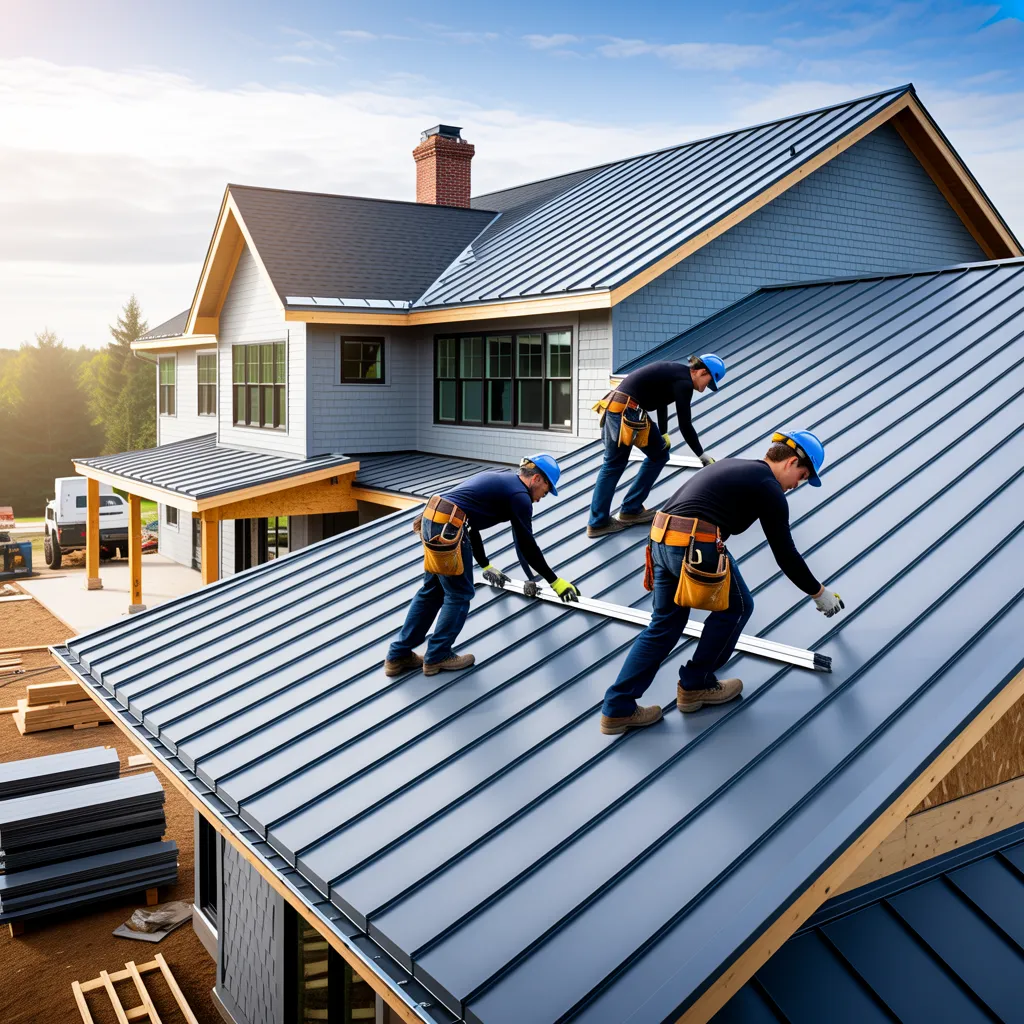
Why Opt For Flat Roofing for Your Residence?
When reviewing roofing options, property owners may find that flat roofing provides clear advantages. One major benefit is cost-effectiveness. Flat roofs usually require fewer materials than sloped designs, contributing to lower installation expenses. Additionally, maintenance appears to be more uncomplicated, allowing for easier access during inspections and repairs.
One more advantage lies in durability. Many flat roofing materials, including TPO or EPDM, are designed to withstand harsh weather conditions, providing persistent protection. This strength can decrease the need for replacements or repairs, additionally enhancing cost savings over time.
Also, level roofs can allow the addition of energy-efficient systems, such as solar panels or green roofs, which may provide long-term energy savings. To summarize, flat roofing offers property owners a effective option that unites functionality, durability, and conceivable financial perks, making it a valuable consideration for diverse structures.
Getting the Most Space From Flat Roofs
Flat roofs present remarkable advantages for maximizing usable space in both commercial and residential properties. Unlike traditional pitched roofs, flat roofs deliver a adaptable space that can be employed for various purposes. Roof vegetation areas, patios, and outdoor lounges can improve the attractiveness and performance of a building, creating additional recreational spaces.
Within business environments, flat roofs can hold HVAC systems, solar panels, or even green roofs, enhancing energy efficiency and sustainability. Additionally, the flat surface provides easier access and maintenance compared to sloped roofing systems.
This design also enables the establishment of vertical expansions, such as additional stories or elevated workspaces, without compromising the existing footprint of the property. By taking advantage of the roof's potential, real estate investors can significantly enhance both their usable space and market worth, making it a wise option for enhancing utility and pleasure.
Affordable Flat Roofing Solutions
Even though abundant roofing options are accessible, affordable flat roofing solutions stand out for their low cost and practical value. Multiple materials can be utilized, including modified bitumen, PVC, and EPDM rubber, each presenting different benefits at attractive prices. Modified bitumen, as an example, is known for its durability and ease of installation, making it a desirable option for cost-aware property owners.
PVC roofs, while somewhat more costly, furnish remarkable energy efficiency and longevity, thereby reducing lifetime expenses. EPDM rubber is yet another preferred alternative, valued for its resilience and reduced maintenance needs.
These products not only minimize initial expenses but also help in saving electricity, leading to additional reductions on monthly expenses. By opting for the appropriate flat roofing option, building owners can achieve a equilibrium between price and efficiency, ensuring a economically viable investment that meets their requirements successfully.
Your Flat Roof Maintenance Hassle-Free
Maintaining a flat roof can be simple, particularly when using affordable materials like modified bitumen, PVC, or EPDM rubber. These materials are built to last and require minimal maintenance, making them perfect for property owners looking for long-term solutions. Frequent check-ups are learn the facts crucial, allowing for the early identification of potential problems such as pooling water or debris accumulation.
Cleaning the area periodically guarantees that drainage systems stay clear, avoiding water damage and prolonging the roof's life. Additionally, adding a sealant can improve protection to UV rays and increase the roof's longevity.
Instead of peaked roofs, flat roofs allow better access for maintenance duties, curtailing the chance of accidents during repair and inspection work. Fundamentally, the straightforwardness of maintaining a flat roof, together with the correct materials, can deliver important savings and security for property owners.
Power Optimization and Sustainability
Enhancing power conservation and sustainability is a notable benefit of flat roof designs. These structures often feature materials that bounce back sunlight, reducing heat uptake and lowering cooling costs during warmer months. This characteristic results in reduced dependence on air conditioning, which can substantially decrease energy usage and associated costs.
Additionally, flat roofs can be equipped with thermal barriers that strengthen thermal performance, facilitating a cozy indoor environment. The opportunity to incorporate green roofing technologies further enhances eco-friendliness. By limiting heat islands in urban areas, level roofs assist with improved air quality and lower energy demand.
Additionally, flat roofing is generally easier to maintain and fix, which can result in extended durability and less debris. Overall, the energy-efficient and eco-friendly aspects of flat roofing systems make them an attractive choice for eco-aware property owners seeking to reduce their carbon footprint while enjoying financial advantages.
Flexible Uses: Rooftop Gardens and Solar Panels
Flat roofs offer unique opportunities for creative applications, such as rooftop gardens and solar panels. Rooftop gardens not only elevate aesthetics but also supply insulation and promote biodiversity. Meanwhile, the deployment of solar panels on flat roofs enhances energy efficiency, leveraging sunlight efficiently to reduce utility costs.
Rooftop Garden Advantages
Rooftop gardens yield abundant benefits, seamlessly weaving nature into urban locales. These cultivated areas amplify visual charm, renovating plain rooftops into vibrant escapes. They also provide essential ecological advantages, offering benefits like improving air quality and lowering urban heat through insulating vegetation. Furthermore, rooftop gardens can act as multifunctional areas, furnishing locations for relaxation, social occasions, or even urban farming. They contribute to biodiversity by creating habitats for multiple species, promoting ecological harmony throughout city settings. In addition, these gardens can assist in controlling stormwater runoff, limiting flooding threats. To conclude, the incorporation of rooftop gardens functions as a responsible strategy that enriches both property value and the quality of life for urban occupants.
Solar Panel Effectiveness
More homeowners and businesses are becoming aware of the value of solar panels as a powerful method for renewable energy generation. Flat roofs offer an ideal surface for solar panel installation because of their unobstructed exposure to sunlight. The positioning ensures peak output, enhancing energy absorption throughout the day. In addition, the uniform surface of flat roofing facilitates easier maintenance and installation compared to sloped roofs. The integration of solar panels can considerably reduce energy costs, making properties more sustainable. Furthermore, pairing solar panels with rooftop gardens improves insulation and lowers urban heat, highlighting the flexibility of flat roofing. Overall, the partnership of solar energy and flat roofs aids environmental sustainability and delivers economic benefits.
Common Misconceptions About Flat Roofing - What Should You Know?
What misconceptions surround flat roofing? Many property owners assume that flat roofs are vulnerable to leaks and require more maintenance than sloped roofs. However, modern substances and techniques have considerably strengthened their resilience and water resistance. Another common myth is that flat roofs possess no aesthetic appeal. In reality, they present adaptability in design and can house rooftop gardens or solar panels, improving both functionality and appearance. Some also argue that flat roofs cannot handle heavy snow or rain. In truth, proper drainage systems can competently manage these conditions. Finally, there is a conviction that flat roofing is less energy-efficient. When installed correctly with adequate insulation, flat roofs can provide excellent energy savings. By challenging these myths, property owners can make informed decisions about the benefits and practicality of flat roofing solutions.
Frequently Requested Questions
How many years will a flat roof generally last?
A flat roof generally lasts between 15 to 30 years, depending on materials used, installation quality, and maintenance. Regular checks and timely fixes can extend its lifespan considerably beyond the average duration.
What Elements Are Most Suitable for Flat Roof Systems?
The best choices for flat roofing consist of PVC, TPO, EPDM rubber, and modified bitumen. Each delivers special strengths, such as resilience, energy performance, and weather protection, which makes them preferred picks for diverse applications.
Is setting up a level roofing personally something I can do?
Setting up a flat roof independently is doable for those with suitable competencies and knowledge. However, it necessitates careful planning, proper components, and adherence to local building codes to assure durability and security throughout the installation process.
How successfully can flat roofs manage intense rainfall?
Flat roofs control heavy rain through effective drainage systems, including internal gutters and scuppers. Proper installation and maintenance are essential to avoid standing water and possible water-related harm, ensuring longevity and functionality in adverse weather conditions.
What Are the Ideal Moisture Control Strategies for Level Roofs?
Effective water control systems for flat roofs incorporate internal drains, scuppers, and tapered insulation. These systems facilitate water flow towards designated drainage points, eliminating ponding and potential structural damage from accumulated water during heavy rainfall.